Reef Tank Lighting: PAR, Spectrum, and What Actually Matters
This post contains affiliate links. As an Amazon Associate, I earn from qualifying purchases at no extra cost to you.
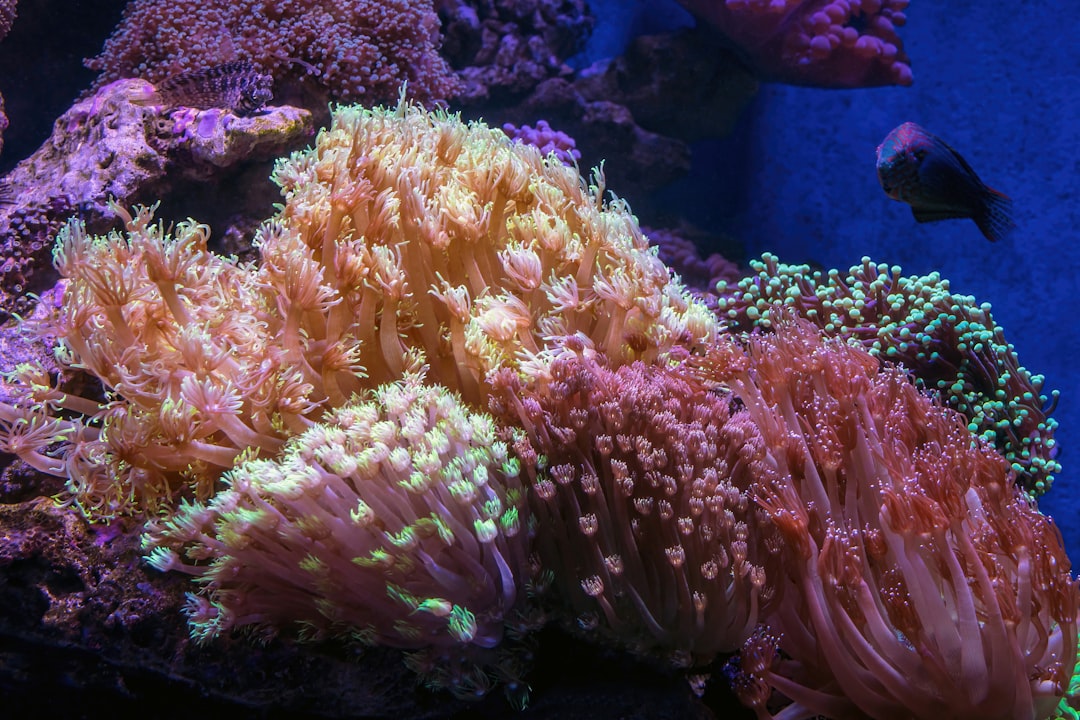
Photo by David Clode on Unsplash
Why Lighting Is the Most Critical Variable in a Reef Tank
Corals are photosynthetic animals. They host symbiotic algae (zooxanthellae) inside their tissue that convert light into energy, providing up to 90 percent of the coral’s nutritional needs. Get the lighting wrong - too dim, wrong spectrum, wrong photoperiod - and coral bleaches, starves, or simply fails to thrive no matter how perfect your water chemistry is.
For fish-only tanks, lighting is mostly aesthetic. For any tank with coral, it is the limiting factor.
Understanding PAR
PAR stands for Photosynthetically Active Radiation. It measures the amount of light in the 400–700 nanometer wavelength range that is usable by photosynthetic organisms. The unit you will see is PPFD (photosynthetic photon flux density), measured in micromoles per square meter per second (µmol/m²/s). In the hobby, most people just call this “PAR.”
PAR requirements by coral type:
Soft corals and mushrooms: 50 to 150 PAR. They are adapted to lower-light environments and can bleach under intense light. LPS corals like hammers, torches, and elegance: 75 to 200 PAR. Most prefer moderate light with moderate flow. SPS corals (Acropora, Montipora, Stylophora): 200 to 400-plus PAR at the top of the tank. These are high-light, high-demand corals not suitable for beginners.
A PAR meter is worth renting or borrowing before you buy lighting. Many local fish stores and online reef communities have them available to lend.
Spectrum: What Color Light Do Corals Need
Coral zooxanthellae absorb blue and red wavelengths most efficiently. In deep ocean water, red light is absorbed quickly, so natural reef environments are dominated by blue. This is why reef lights look so intensely blue to human eyes - they are replicating the spectral quality of blue water at depth.
A ratio of 70 percent blue to 30 percent white is a common starting point for mixed reefs. Heavier blue promotes coral fluorescence and growth. More white creates a more visually natural look and supports macroalgae in refugiums.
UV and violet wavelengths (380–420 nm) drive coral fluorescent protein expression - the vibrant pinks, greens, and oranges you see in photographs. Good reef LEDs include dedicated UV and violet channels.
LED vs T5 Fluorescent
LED is the dominant technology today. Modern reef LEDs from AI, Kessil, Radion, and others are programmable, energy efficient, and capable of delivering more than enough PAR for any coral. The main criticism of early LEDs was uneven spread - hot spots and dim zones - but good modern fixtures have addressed this substantially.
T5 fluorescent tubes produce extremely even, diffuse light and have a proven track record for coral growth. The drawback is bulb replacement cost (every 12 months), higher energy use, and the lack of programmability. Hybrid T5/LED setups are popular with serious reefers who want the best of both.
For a beginner, a quality LED is the right choice. It costs less to run, requires less maintenance, and gives you easy control over spectrum and photoperiod.
Recommended Fixtures
For tanks up to 24 inches wide, the AI Prime HD covers a single fixture footprint well and is programmable via app. It is one of the best-value reef LEDs available for small to medium tanks.
For 36 to 48-inch tanks, the Kessil A360X delivers excellent shimmer and PAR with a simple physical control dial. Two units cover most 4-foot tanks.
For tanks where you want maximum control and the budget allows, the EcoTech Marine Radion G6 offers per-channel spectrum tuning, automated cloud and weather effects, and integration with the VorTech powerhead ecosystem.
Photoperiod
Most reef tanks run an 8 to 10 hour photoperiod. A ramp-up and ramp-down period (30 to 60 minutes at each end) mimics sunrise and sunset and reduces coral stress.
New coral frags should be placed in lower light initially, even if they are high-light species. Acclimate over two to four weeks by gradually raising intensity or moving frags up the rock structure.
Dana Riddle’s coral lighting research, summarized on Advanced Aquarist, is some of the most rigorous publicly available photobiology work for reef keepers.
FAQ
Can I use a regular aquarium light for a reef tank? Basic LED strips or freshwater lights do not provide enough PAR or the right spectrum for coral. They are fine for fish-only saltwater tanks.
How high should I mount my light above the water? Most reef LEDs are designed for 6 to 12 inches above the water surface. Higher mounting reduces PAR but improves spread. Check your specific fixture’s PAR data at different hanging heights.
Why does my coral look brown instead of colorful? Brown coloration usually means either not enough light (zooxanthellae density increases, making tissue look brown) or phosphate and nitrate are too high (which also increases zooxanthellae). Address water quality first, then evaluate lighting.
How often do I need to replace LED bulbs? Quality reef LEDs do not have replaceable bulbs in the traditional sense. LED intensity degrades slowly over years of use. A good fixture will maintain usable output for five to eight years before needing replacement.
Is more light always better for coral? No. Too much light causes photobleaching and tissue damage. Every coral species has a PAR range - above that range is just as harmful as below it.
Related Reading
Great lighting won’t help if your water parameters are off. See our Water Chemistry guide to keep your parameters dialed in.
Recommended Products
Here are a few products to help with what we covered in this guide: