Reef Tank Water Chemistry: The Parameters That Actually Matter
This post contains affiliate links. As an Amazon Associate, I earn from qualifying purchases at no extra cost to you.
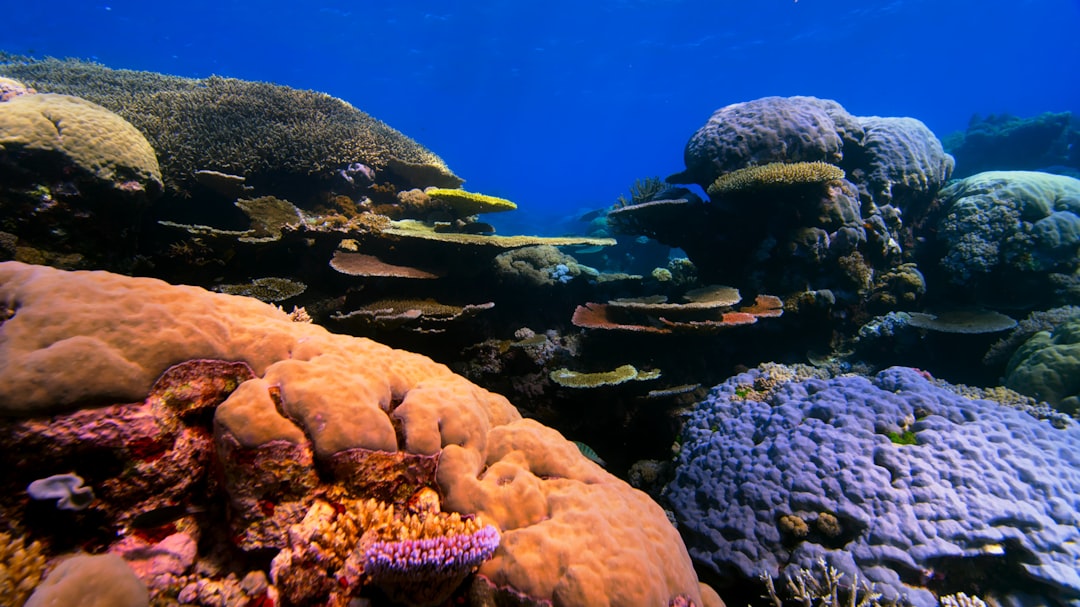
Photo by Oleksandr Sushko on Unsplash
The Core Parameters of a Reef Tank
Reef tank water chemistry feels intimidating because there are many parameters to track, but in practice only a handful require regular attention. Understanding what each parameter does - and why it matters - makes the whole system much less overwhelming.
Salinity
Salinity is the measure of dissolved salts in your water. For a reef tank, target 1.025 to 1.026 specific gravity (35 ppt). Below this range, invertebrates and coral become stressed. Above it, you are wasting salt mix on water changes.
Measure with a refractometer or a quality digital meter like the Milwaukee MW102. Swing-arm hydrometers are notoriously inaccurate and not worth using in a system with coral.
Evaporation raises salinity over time because only pure water evaporates, not the salts. Automated top-off systems (ATO) use float switches or optical sensors to add fresh RODI water automatically and keep salinity stable.
Temperature
Reef corals evolved in water between 76 and 82 degrees Fahrenheit. Most home reef tanks are kept at 77 to 79 degrees. High temperatures (above 84°F) cause bleaching. Rapid swings of more than two degrees in 24 hours cause stress even if the absolute temperature is within range.
Consistent temperature matters more than the exact value within the acceptable range.
pH
pH in a reef tank should stay between 8.1 and 8.3. It naturally fluctuates through the day - rising during the photoperiod as photosynthesis consumes CO2, falling at night as respiration adds CO2 back.
A persistent low pH (below 8.0 around the clock) usually indicates poor gas exchange - a house that is well-sealed in winter, a skimmer drawing indoor air, or insufficient surface agitation. Opening a window near your skimmer air intake often raises pH measurably.
Alkalinity (dKH)
Alkalinity is the parameter reef keepers obsess over most, and for good reason. It is the buffering capacity of your water and the primary building block of coral skeletons. Stony corals consume large amounts of alkalinity as they grow.
Target range: 8 to 10 dKH. Keep it stable - swings of more than 1 dKH per day cause stress to sensitive corals. Test alkalinity twice weekly in tanks with stony coral.
Calcium
Coral uses calcium along with alkalinity and magnesium to build calcium carbonate skeleton. Target range: 380 to 450 ppm. Calcium and alkalinity are chemically linked - if one is chronically low, the other usually is too.
In a tank with only soft corals and modest LPS, regular water changes with a quality salt mix (like Red Sea Coral Pro or Tropic Marin Pro Reef) typically maintain calcium without supplementation.
Magnesium
Magnesium is the third major macro element in reef chemistry. It must be present at natural seawater levels (1250 to 1350 ppm) for calcium and alkalinity to remain stable. Low magnesium allows calcium and alkalinity to precipitate out of solution, crashing both simultaneously.
Test magnesium monthly in established tanks. Correct deficiencies slowly over several days using a magnesium supplement.
Nitrate and Phosphate
Nitrate should be kept below 20 ppm in mixed reef tanks, ideally under 5 ppm if you keep SPS coral. Phosphate should stay below 0.1 ppm. Elevated nutrients cause zooxanthellae to multiply, turning coral tissue brown and suppressing fluorescent coloration. They also fuel nuisance algae.
Control through a combination of protein skimming, regular water changes, refugium macroalgae, and responsible feeding.
Dosing vs Water Changes
In tanks with heavy stony coral loads, water changes alone cannot replace the alkalinity and calcium being consumed by coral growth. Two-part dosing (separate alkalinity and calcium solutions dosed via peristaltic pump) is the simplest supplementation method. Calcium reactors and kalkwasser are more advanced approaches suited to larger, more established systems.
For beginner tanks with soft corals and light LPS, a 10 to 15 percent weekly water change with quality salt mix is sufficient. Do not start dosing until you have tested and confirmed an actual deficiency.
Randy Holmes-Farley’s chemistry FAQ on Reef Central remains the most thorough publicly available resource on reef water chemistry fundamentals.
FAQ
How often should I test my reef tank water? Weekly testing of salinity, temperature, alkalinity, and nitrate is appropriate for a new tank. Calcium and magnesium can be tested monthly if parameters are stable.
What is the best test kit for reef tanks? Salifert, RedSea, and Hannah Instruments checkers are the most trusted brands in the hobby. API test kits are adequate for nitrate but less accurate for calcium and alkalinity.
Why does my alkalinity keep dropping? Coral growth consumes alkalinity. If you have stony coral growing rapidly, you need to supplement. Also check for calcium carbonate precipitation in your sump or heater - this removes both calcium and alkalinity from the water.
Can I use Instant Ocean salt mix for a reef with coral? Standard Instant Ocean is adequate for fish-only and soft coral tanks. For LPS and especially SPS corals, a reef-formulated salt with elevated calcium, alkalinity, and trace elements (like Red Sea Coral Pro) is a better choice.
What happens if alkalinity drops too fast? A rapid alkalinity drop - more than 2 dKH in a day - can cause coral to bleach or RTN (rapid tissue necrosis), where tissue recedes visibly over hours. Correct alkalinity deficiencies slowly and never raise dKH more than 1 to 2 units per day.
Related Reading
Solid parameters need consistent testing. For a full maintenance routine, see our Reef Tank Maintenance Schedule.
Recommended Products
Here are a few products to help with what we covered in this guide: