Best Saltwater Fish for Beginners: Hardy, Peaceful, and Reef-Safe Options
This post contains affiliate links. As an Amazon Associate, I earn from qualifying purchases at no extra cost to you.
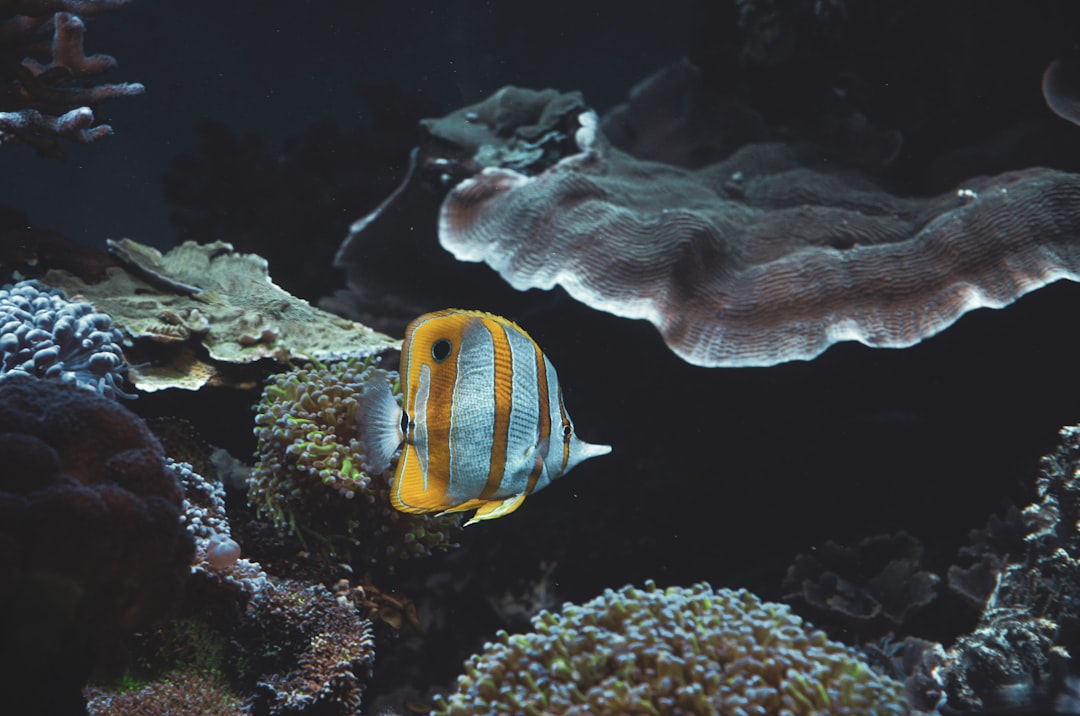
Photo by Gerhard Venter on Unsplash
What Makes a Good Beginner Saltwater Fish
Not all saltwater fish are equal in terms of care difficulty. A good beginner fish tolerates some parameter fluctuation, eats prepared food readily, does not require a species-specific diet, stays peaceful in a community tank, and does not harm coral or invertebrates.
Many of the most popular reef fish - like the mandarin dragonet, which requires live copepods - are actually poor choices until you have a mature, established system. Starting with forgiving species while your tank matures gives you the best odds of success.
Ocellaris Clownfish
The ocellaris clownfish is the classic beginner saltwater fish for good reason. It is hardy, tolerates a wide range of salinity and temperature, eats pellets and frozen food eagerly, and stays small (three inches maximum). A pair will claim a corner of the tank as territory and rarely cause problems with other peaceful species.
Ocellaris clownfish do not require an anemone, though they will host in many soft corals (hammer corals, torch corals, and even large mushrooms are common substitutes). Do not start with an anemone in a new tank - they need a mature, stable system to survive.
Royal Gramma
The royal gramma is a cave-dwelling basslet from the Caribbean. It is strikingly colored (purple front half, yellow back half), peaceful with most tank mates, and takes prepared food immediately with almost no coaxing. It will claim a small cave or overhang as its home and rarely ventures far from it, making it easy to observe.
At three and a half inches maximum, it fits comfortably in tanks as small as 30 gallons. It is one of the few fish that is genuinely beautiful, peaceful, hardy, and inexpensive.
Tailspot Blenny
The tailspot blenny is a small, algae-grazing fish that spends most of its time perched on rocks or the substrate watching the tank. It picks at microalgae continuously and serves a minor cleanup crew function. It is peaceful, comical in behavior, and tolerates beginner-level care easily.
One note: blennies can occasionally nip at large-polyp LPS corals. This is not universal behavior but something to watch for if you keep hammers or frogspawn.
Firefish Goby
The firefish goby is a slender, elegant fish with red and orange coloration toward the tail. It hovers just above the substrate or rock line, darting back into its burrow when startled. It is peaceful, reef-safe, and one of the few fish that does well in nano reef tanks as small as 10 gallons.
Firefish are jumpers. A tightly covered tank is important with this species.
Yellow Tang
The yellow tang is the most popular tang in the hobby and one of the hardiest. It actively grazes algae from rock surfaces, contributes meaningfully to tank maintenance, and tolerates a range of water conditions well. It does require more swimming space than the species above - a 75-gallon minimum is appropriate.
Tangs are prone to ich (Cryptocaryon irritans), which is the most common saltwater fish disease. Quarantining new fish before adding them to your display tank is important, especially with tangs.
Fish to Avoid as a Beginner
Lionfish, triggers, and larger groupers are predatory and incompatible with invertebrates and small fish. Mandarins, seahorses, and pipefish have specialized food requirements that new tanks cannot meet. Moorish idols and most butterflies have poor survival rates in captivity and belong only in the hands of experienced hobbyists.
Stocking Order and Density
Add fish in order of aggressiveness - most peaceful first, slightly more assertive species later. Clownfish and firefish first, tangs later. This gives timid fish time to establish territory before more assertive tank mates arrive.
A rough guide for stocking density: one inch of fish per five gallons of water for moderately sized fish. This is not a hard rule - a single 6-inch tang in a 90-gallon tank is very different from six 1-inch fish - but it gives a starting framework.
Recommended Hardware
A quality quarantine tank for new fish prevents most disease outbreaks. Even a simple 10-gallon QT tank with a bare bottom, a sponge filter, and a heater will save a lot of heartache.
The Reef Central species profiles are a useful reference for compatibility, max size, and minimum tank requirements before you commit to a fish.
FAQ
How many fish can I keep in a reef tank? Less than you think. A 50-gallon reef might comfortably support five to seven small fish. Overstocking raises nutrient levels, increases aggression, and taxes your filtration.
Do I need to quarantine new fish? Strongly recommended. Marine ich and other diseases spread quickly in a reef tank once established, and treating a display tank with coral present is very difficult. A separate QT tank lets you treat fish safely.
Can clownfish live without an anemone? Yes. Clownfish do not need an anemone in captivity and will thrive without one. They often adopt a coral or powerhead as a substitute host.
What is the hardiest saltwater fish overall? The damselfish family (blue devil damsel, domino damsel, three-stripe damsel) are the most bulletproof saltwater fish, but they are often extremely aggressive as adults and can terrorize other tank mates. The ocellaris clownfish is the best combination of hardy and peaceful.
How long should I wait between adding new fish? Wait at least two to four weeks between additions. This lets your biological filtration adjust to the new bioload and lets you observe each new fish for signs of disease before adding more.
Related Reading
Before adding fish, make sure your tank is properly cycled. Our Aquarium Cycling Guide walks through the full process.
Recommended Products
Here are a few products to help with what we covered in this guide: